



In previous articles, we mentioned that in this year's food delivery platform war, the originally low-profile Heytea couldn't resist the loneliness and fully launched on the Taobao Flash Sale (Ele.me) platform, just to explore more domestic incremental markets.
Another tea beverage giant BANDLUCK represents a different approach in this battle.
Last week, BANDLUCK released its financial report, showing that in the second quarter of this year, the average monthly GMV per store in Greater China was 404,350 yuan, with same-store GMV decreasing by 23% compared to the same period last year. BANDLUCK's global CFO Huang Hongfei explained that this was mainly due to two factors: on one hand, it was compared to the exceptionally strong second-quarter data of 2024; on the other hand, the price war on food delivery platforms intensified, and BANDLUCK chose not to participate in short-term-oriented discount activities, which also led to a temporary diversion of some customers, affecting its sales performance.
We noticed that on the same day, BANDLUCK's founder, chairman, and global CEO Zhang Junjie announced for the first time a new North American core management team: appointing Emily Chang as North America Chief Commercial Officer (who officially joined BANDLUCK in June this year, previously served as Starbucks China Chief Marketing Officer); Aaron Harris was appointed as North America Chief Development Officer, having previously served as Senior Vice President of Development at Dutch Bros Coffee.

Image source: Internet
In May this year, BANDLUCK's first North American store officially opened in Los Angeles, USA, and in August, its second US store began trial operations. The newly announced two executives have cross-industry experience in food and beverage, technology retail, advertising, and other fields, as well as deep chain business operation backgrounds, apparently hoping to make a big impact in the North American market.
In fact, including BANDLUCK, more and more Chinese tea and coffee brands have started "global navigation" in recent years. In the second quarter of 2025, BANDLUCK's overseas stores increased from 169 in the first quarter to 208, a net increase of 39; Mixue Ice City already has over 5,000 stores in 12 countries; Cha Bai Dao entered the South Korean and European markets; Cudi and Heytea successively laid out in the North American market; even the later-tier Ningji signed 15 stores in Southeast Asia in the first half of the year.
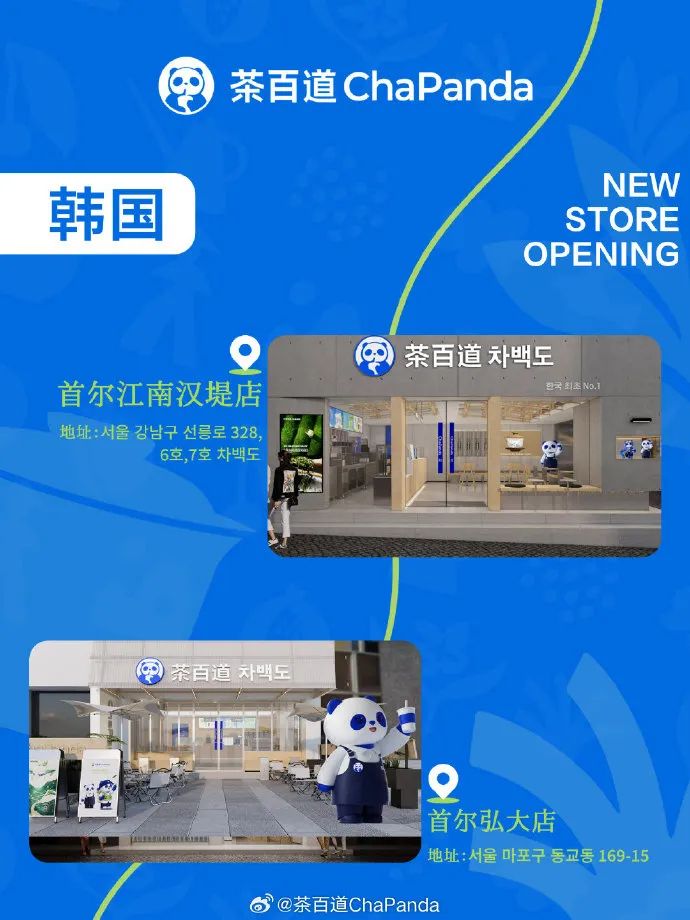
Image source: Internet
On overseas social media, Chinese-style beverages have become a new trend for some young overseas consumers to experience and share, not only "paying" but also happily "checking in," seemingly a good trend. However, on the road to becoming a "global brand," Chinese brands still need to go a long way.
Digitalization and Supply Chain Become "Dual Engines"
Regarding why they chose to go overseas, the relevant person in charge of BANDLUCK once said in an interview with the media, "This is a decision to embrace opportunities." Tea and coffee are the world's two major beverages, but there is no global tea beverage brand in the freshly made tea industry. Moreover, in 2017, when BANDLUCK was founded, it began to propose the goal of "going to 100 countries."
At the same time, he also stated that after BANDLUCK's listing on NASDAQ this year, they hope to stimulate the vitality of tea, a historically long and widely loved beverage by consumers worldwide, through the brand's modern interpretation, and to connect everyone every day with a cup of tea.
If you look at the overseas layout, you will find that Chinese tea and coffee brands' overseas stores are mostly concentrated in Southeast Asia, which has basically become their first stop for going overseas.
According to the latest report "The Rise of Chinese Brands in Southeast Asia" by Euromonitor International, the professional coffee and tea shop market in Southeast Asia reached a market value of 4.7 billion USD in 2024 and is expected to grow at an annual rate of 9% by 2029. Chinese companies have been at the forefront of this expansion: between 2019 and 2024, the number of stores of Mixue Ice City and BANDLUCK in Southeast Asia increased by 80%.
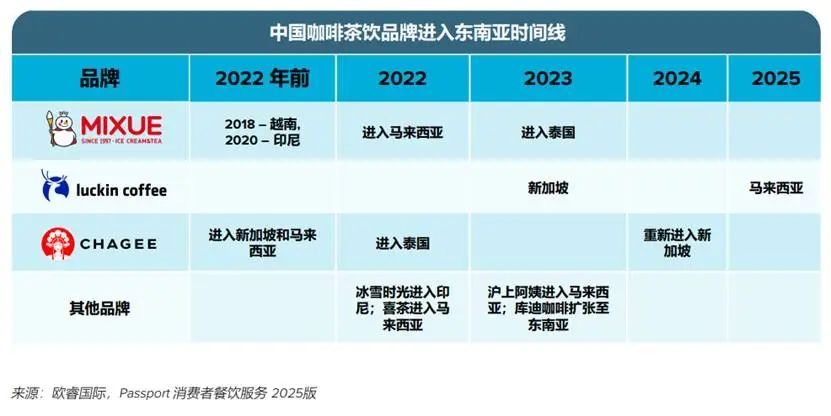
Data from the "Chasing Dreams in Southeast Asia – Report on the Overseas Expansion of Freshly Made Beverages" released by Ries Strategic Consulting also shows that compared to the many stores of Taiwanese milk tea in Europe and America, mainland new tea beverage brands mostly focus on Southeast Asian countries when laying out overseas markets. For example, Mixue Ice City's stores are concentrated in Vietnam (>1300 stores) and Indonesia (>2600 stores), BANDLUCK focuses on Malaysia (>130 stores), and Heytea first launched in Singapore (7 stores).
Industry insiders analyze that the reason Southeast Asia has become the "bridgehead" for Chinese tea and coffee brands going overseas is mainly because it has a large and young consumer group, rapidly growing economy, and certain cultural similarities with China, making consumers more receptive to tea and coffee. Euromonitor International shows that Luckin Coffee and Mixue Ice City currently perform well in the Southeast Asian market.
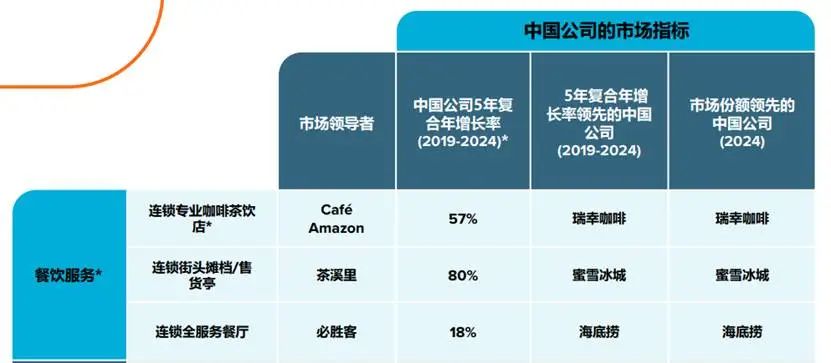
Image source: Internet
But as the Southeast Asian market gradually saturates, more and more Chinese brands have begun to turn their attention to the European and American markets.
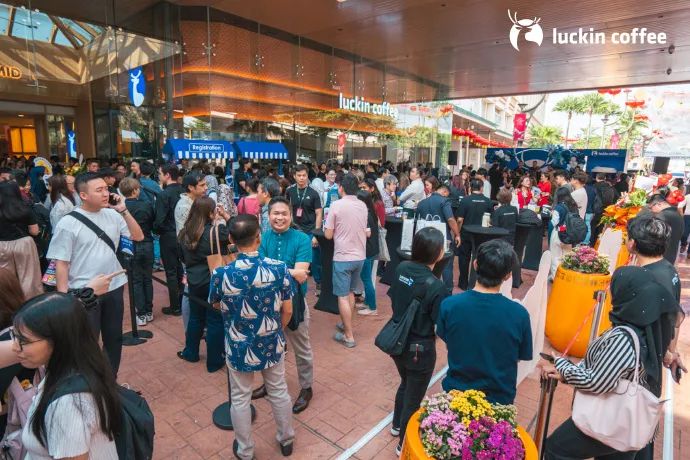
At the end of June, Luckin Coffee opened two stores in New York. Previously, most American consumers were unfamiliar with this Chinese brand, but after trying it, they became very interested in its original cold brew; some also expressed on social media that they prefer the iced coconut latte, believing its quality "can completely rival Starbucks." More importantly, Luckin Coffee's price range in the US is 3.45 USD to 7.95 USD, and new users can enjoy discounts after downloading the App, making its cost-performance far higher than Starbucks.
Luckin Coffee's entry into the US is also a challenge to the traditional mature coffee market, different from competing with local brands like Café Amazon and Zus Coffee in the Southeast Asian market, facing different consumer groups and brand barriers.
How can Chinese tea and coffee brands "ride the wind and waves" in overseas markets? Digital capabilities and supply chain efficiency may become the "dual engines."
Taking Luckin Coffee as an example, it entered the Singapore market in March 2023, and as of the second quarter of this year, it has opened 63 self-operated stores. By cooperating with local suppliers, Luckin Coffee ensured stable supply of raw materials such as coffee beans and milk, and launched specialty drinks like pandan latte according to local taste preferences.
Luckin exported the relatively mature operational system honed in the Chinese market as a whole: self-ordering, contactless pickup, access to local payment systems, and full-process digitalization can reduce trial-and-error costs.
Image source: Internet
With the help of platform dynamic scheduling, Chinese companies can also achieve global quality replication and cost control. Behind every cup of coffee and tea is a supply chain network spreading globally.
The supply chain can also become Mixue Ice City's "moat." External information shows that Mixue Ice City is the earliest company in China's freshly made beverage industry to set up a central factory, possessing a comprehensive end-to-end supply chain system including procurement, production, logistics, R&D, and quality control, capable of providing franchisees with competitive one-stop solutions. The core beverage ingredients provided to franchisees are 100% self-produced, which can not only effectively control production costs but also better synchronously ensure product quality.
Looking closely at Mixue Ice City's procurement list is like looking at a world map, including milk powder from New Zealand, cocoa powder from Ghana, grapes from Spain, passion fruit from Vietnam, lemons from Chongqing, etc. The huge procurement scale also enables Mixue Ice City to purchase many core raw materials at prices lower than the industry average.
It is reported that in 2023, its lemon procurement volume reached 115,000 tons. Through centralized procurement and direct supply from origins, Mixue Ice City reduced lemon procurement costs by 25%. Even during the sharp rise in domestic lemon prices in 2022, its terminal products did not increase in price.
At the end of May this year, we had an exchange with Wang Jie, the founding partner of Ningji. She also mentioned, "In the five-year overseas strategy plan, we particularly emphasized the importance of the supply chain. In the first two years, we will work on the supply chain because supply chain stability is crucial for brands going overseas." According to Wang Jie, Ningji's overseas expansion "is not only about opening stores overseas but also a systematic overseas expansion of supply chain and digital intelligence capabilities."
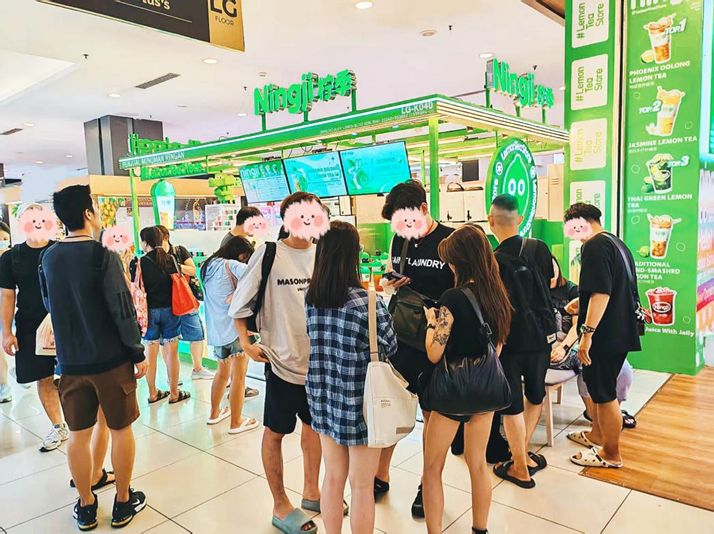
Image source: Internet
Localized Operations and Cultural Output
To become a brand recognized by local consumers overseas and thus a global brand, it is also necessary to accurately strike in localized operations while cleverly combining cultural output with the local context.
Mixue Ice City formulates corresponding development strategies according to the market characteristics of different countries and regions. For example, in stores in Bangkok, Thailand, besides classic ice cream and milk tea, they also launched local specialty products like Thai milk tea and durian milkshake, with store decorations incorporating Thai elements; in Vietnam, they consider adding dine-in spaces and launching customized flavors like pineapple lemongrass; during the trial operation in Kazakhstan, they did not promote specific products to customers but let local consumers choose the "flagship products" themselves.
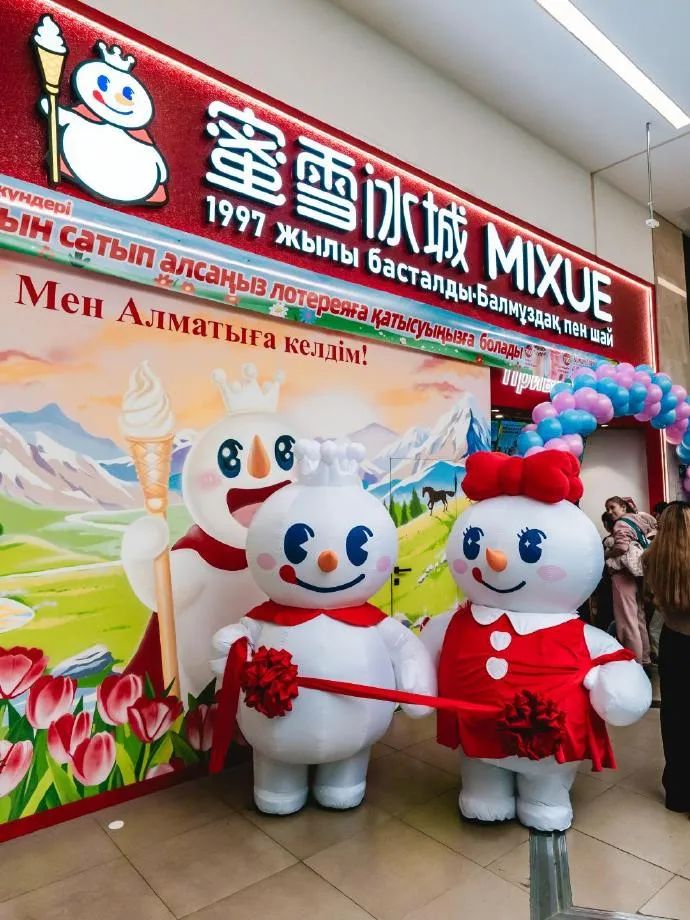
Image source: Internet
Chinese beverage brands consider no longer insisting on market education but lowering the acceptance threshold for consumers through familiar tastes, then gradually building recognition through brand storytelling.
In the Southeast Asian market, since consumers are more price-sensitive, they may focus on high cost-performance products and improve brand awareness through large-scale store openings; in markets like Japan and South Korea, where consumers have higher requirements for quality and taste, Mixue Ice City will optimize product formulas, launch products more in line with local tastes, and pay attention to store decoration and service.
BANDLUCK also places great importance on localized operations. It launched "Nyonya Lychee Melon" in Malaysia, combining pandan leaves from Nyonya culture with lychee and melon; in Thailand, it launched "Thai Longan Coconut," using local Thai specialty fruit longan, paired with coconut milk jelly and jasmine tea base.
Besides product taste, BANDLUCK also innovated locally in store space, incorporating elements like tiles and carvings from Baba Nyonya culture in Malaysian stores; stores in Singapore adopted南洋风格的百叶窗、花砖元素, creating a unique spatial atmosphere.
Heytea's operating model in London, UK, is to create breakout effects through "Chinese-style stores + social attributes," hoping to attract local young people to queue up to buy milk tea with Chinese-style logos and share photos on social media.
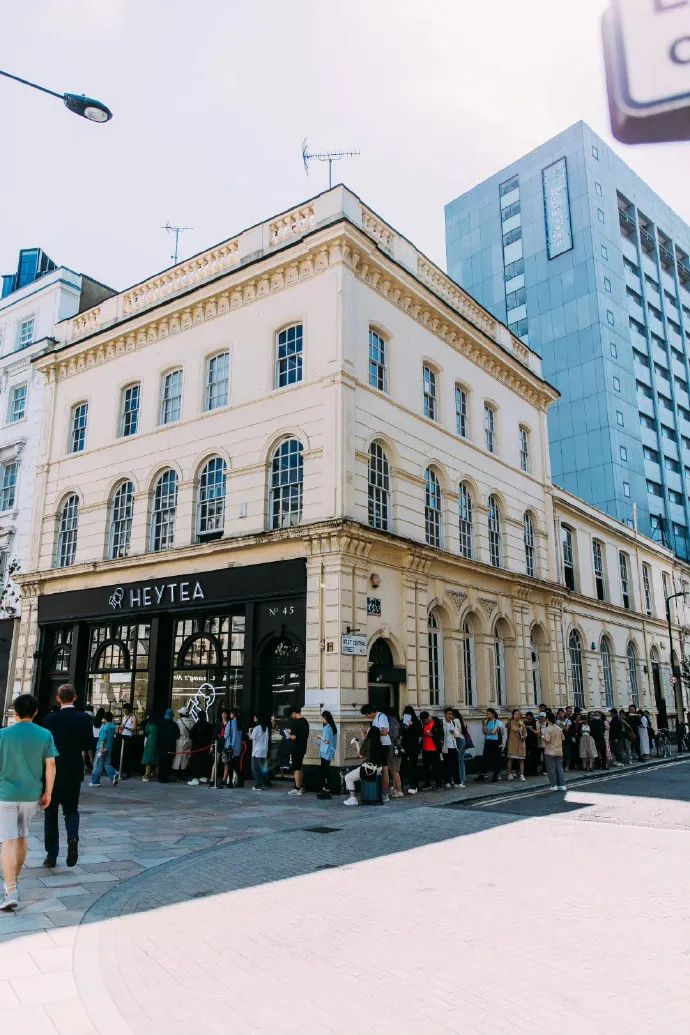
Image source: Internet
According to Heytea, "We hope to pass Chinese culture to the world through tea beverages." Therefore, in the design of overseas stores, they intentionally incorporated traditional Chinese cultural elements, such as calligraphy and paper-cutting, creating a unique Chinese atmosphere. This method links Chinese unique genes and memories, ultimately gaining brand association.
In fact, BANDLUCK has also adopted similar measures, telling Chinese tea beverage stories and strengthening the cultural symbol of "Oriental tea beverages" through packaging design, cultural experience activities, etc. For example, the "CHAGEE×Museums" cultural crossover event held at the Malaysian National Museum, combining Chinese tea culture with Malaysia's multiculturalism, also attracted many local consumers.
If overseas consumers cannot fully understand and identify with the brand and product culture, subsequent promotion will be extremely difficult. Ningji also inspected the North American market, but their first trial store in the US did not sell the most famous lemon tea series from China but focused on bubble tea products because Ningji believes this "better suits local consumer tastes."
Ningji's overseas strategy "comprehensively considers factors such as local climate temperature, logistics and warehousing, talent team, etc., first deeply cultivating this city and region, then penetrating layer by layer." Wang Jie stated that from raw material planting, product R&D, to store operations, brand communication, with the expansion of Ningji's overseas territory and brand development, the mature domestic brand expansion model can be因地制宜地复制到海外版图的扩张策略中.
We hope that in the near future, whether on the streets of Southeast Asia or in major cities in Europe and America, we can often see young people holding milk tea and coffee cups from Chinese brands (preferably with Chinese logos). A cup of beverage can become a cultural symbol, no longer a pure imitator but有望成为行业新标准的定义者. Then it will not be too late to say that we have our own "global brand."