
NEWS & EVENTS
-
HOME > NEWS > Industry News
Unveiling the Truth Behind Chinese Tea Beverage Brands Expanding to the U.S.: Can One Store’s Revenue Equal That of 50 Stores in China?
2026-01-26
The expansion of Chinese tea beverages overseas is accelerating, with North America becoming a new battleground.
Recently, Jidong's Manhattan store in the United States opened with high-profile fanfare. Their "beverage + light bakery" model ignited the local market. Other stores in New York have achieved peak daily sales exceeding $20,000, with caramel croissant egg tarts contributing 40% of the revenue.
How do they achieve the success of "every store becomes a hit" in the fiercely competitive US market?

Chinese Tea Drives Are Exploding in New York!
Daily Sales Reach $20,000, Egg Tarts Become the "Secret Weapon"
Chinese tea beverages are igniting a new wave of overseas expansion!
Since the beginning of this year, the beverage industry has seen news of "entering the U.S. market" almost every month. Brands like Luckin Coffee, Ba Wang Cha Ji, Nayuki, Cha Bai Dao, and Aunt Shanghai have announced their first U.S. stores. Meanwhile, brands like Heytea, Moli Nai Bai, and Jidong, which have already opened stores in the U.S., are intensifying their presence.
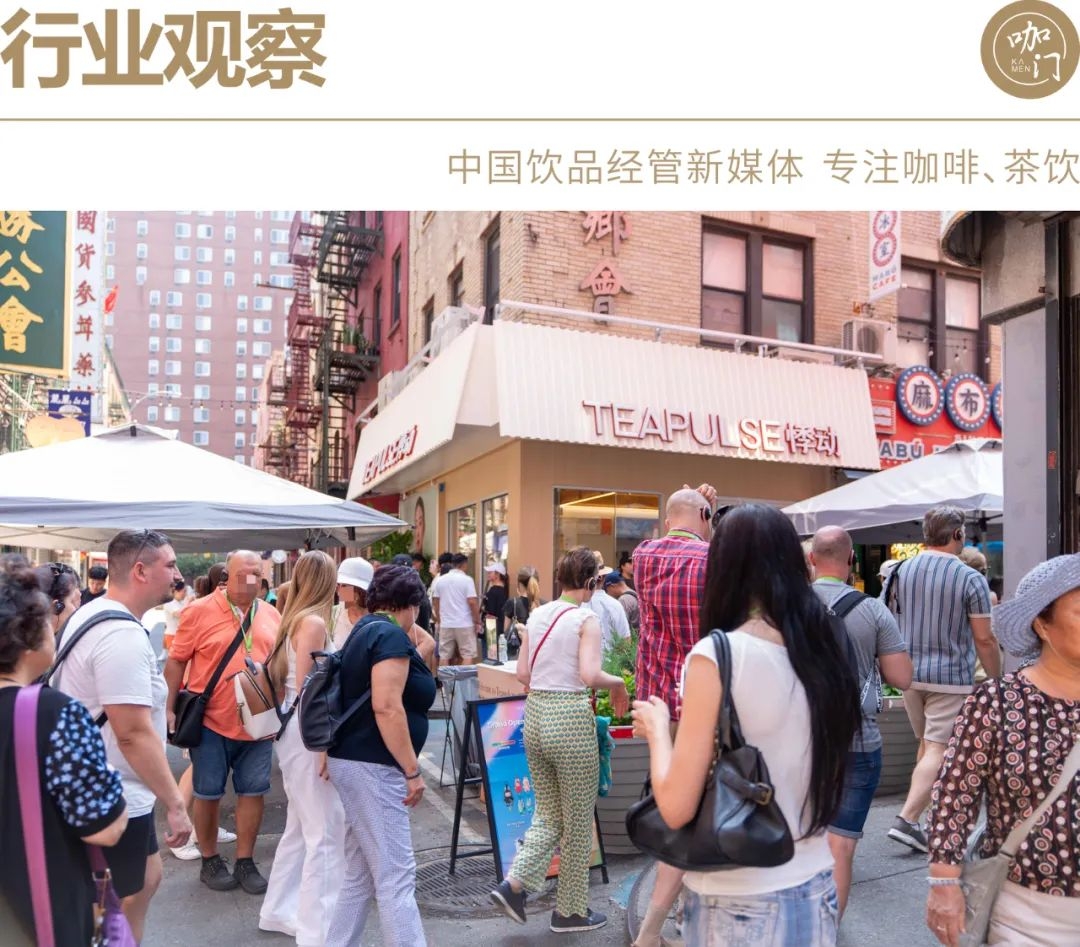
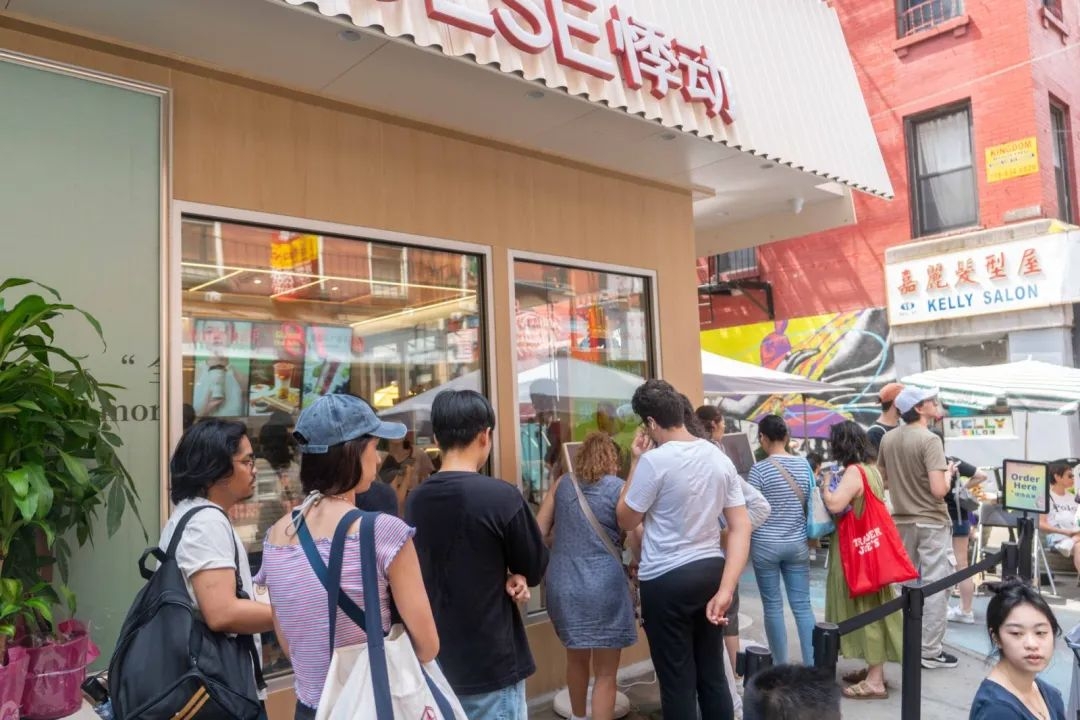
8月15August 15th, Jidong's store in Manhattan's Chinatown, New York City, officially opened. Reports from the scene indicate long queues formed on opening day, even causing brief street congestion, creating a lively atmosphere.
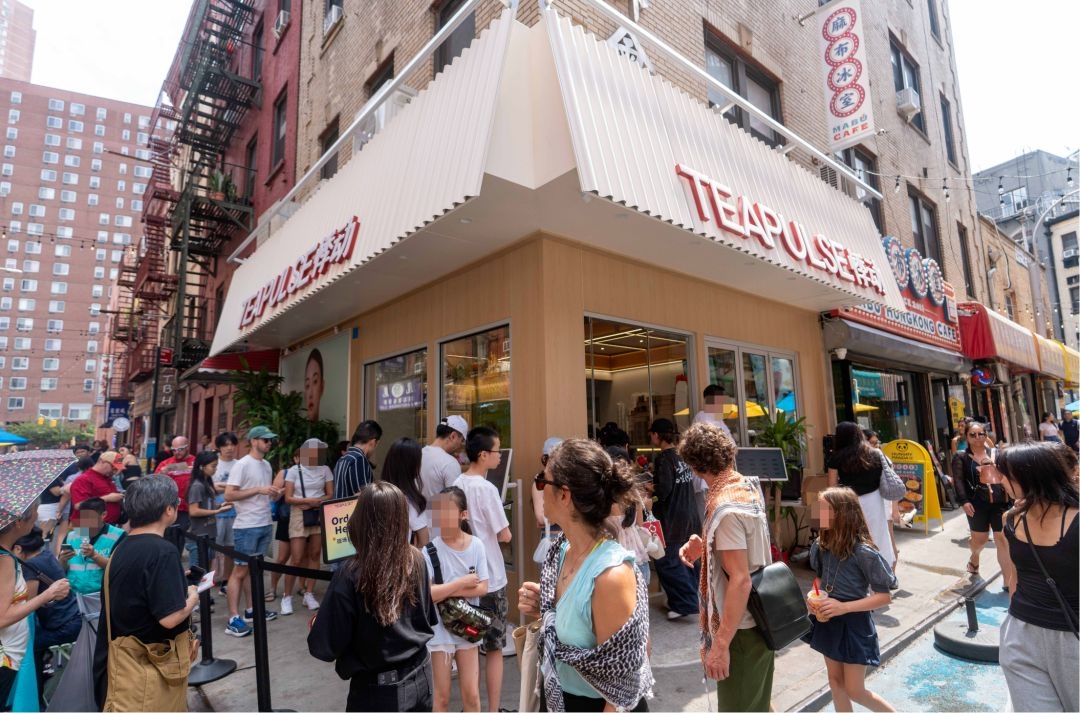
It is reported that this is Jidong's third store in New York City. In October 2024, "TEAPULSE Jidong" debuted in the U.S., opening stores in Flushing and Bayside in Queens, New York, each sparking a wave of social media check-ins.
On social media, users have shared their experiences: "Waited over two hours to get my drink."
"The average daily cup output per store exceeds 1,000 cups, with peak daily sales breaking $20,000," revealed Jidong's overseas business head. "The performance of one successful overseas store can rival that of 50 stores in China."
Upon closer observation, Jidong's stores in the U.S. differ significantly from those in China, both in store format and product offerings.
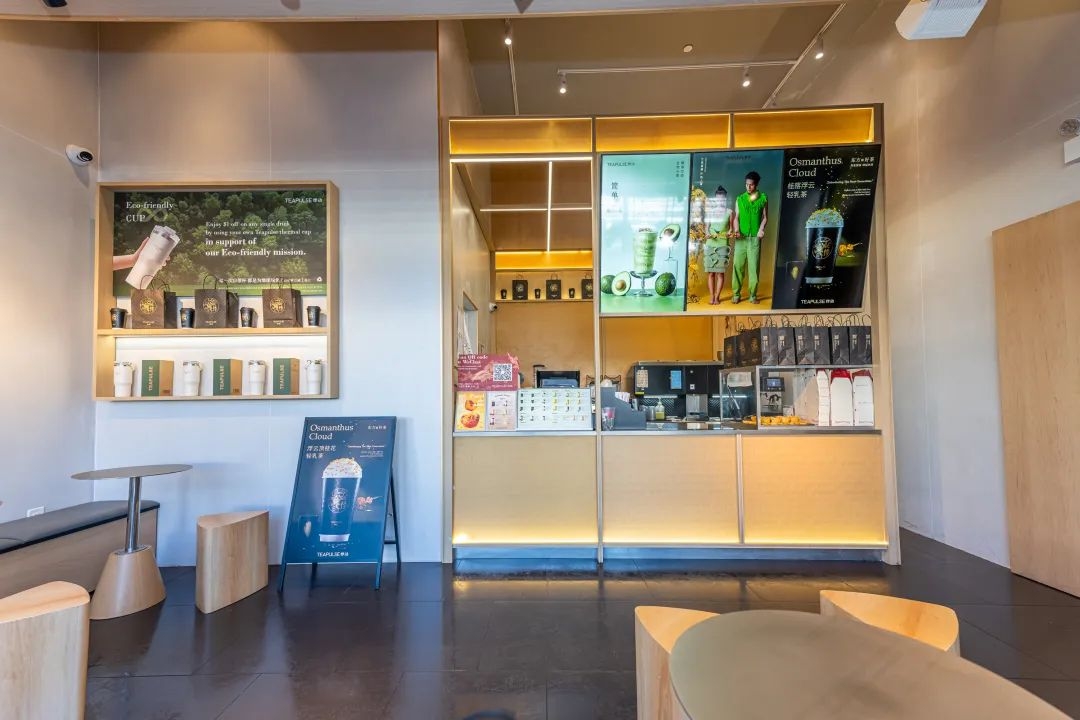
For example, the store image emphasizes a fusion of fashion, simplicity, and international elements. Store areas range from 50 to 100 square meters, incorporating dine-in spaces.
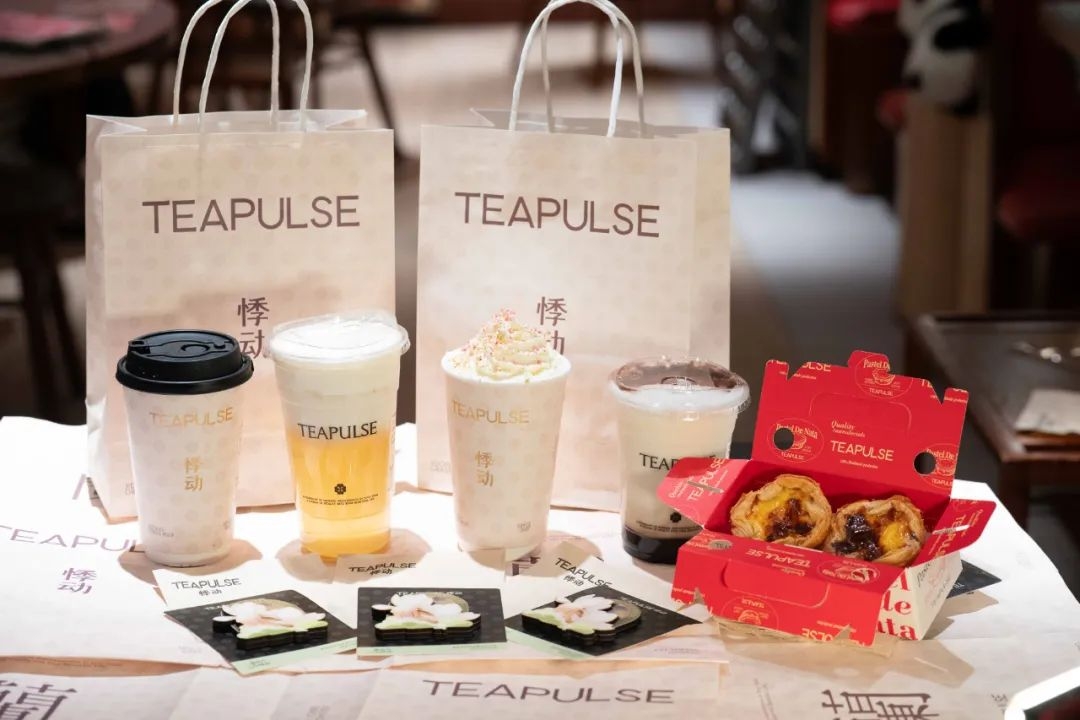
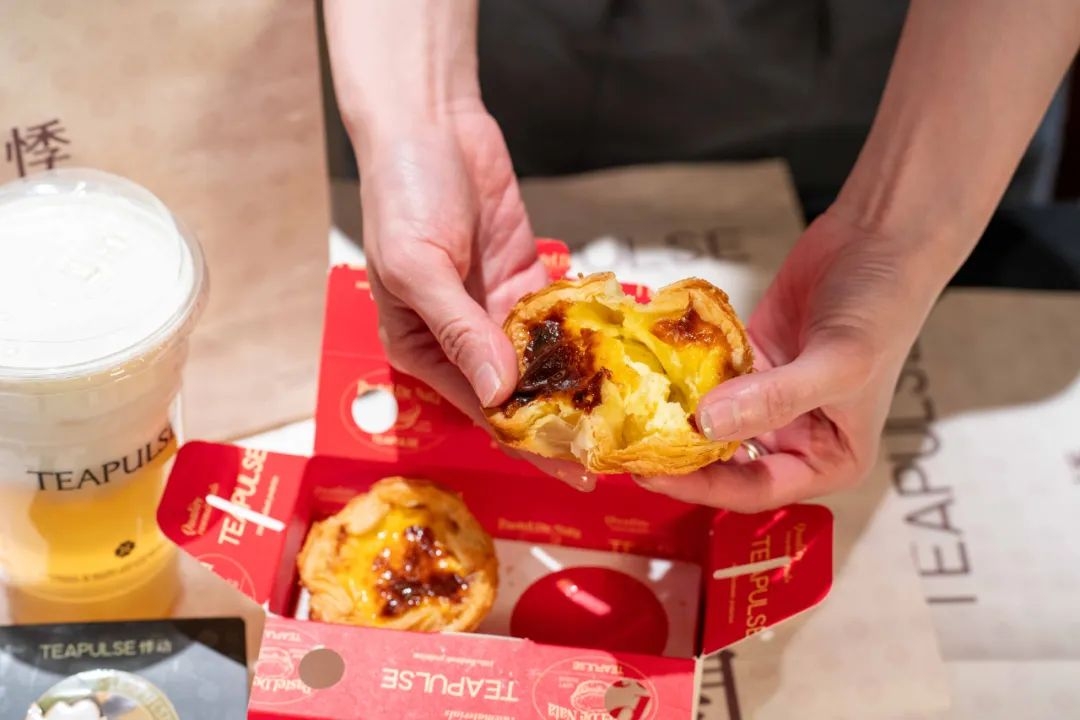
Surprisingly, the caramel croissant egg tart is a must-order item for many local consumers, becoming the store's secret weapon. Some Chinese customers have remarked:"I went for the bubble tea but was amazed by the egg tarts."
Jidong's overseas business head also confirmed this:"Currently, egg tart products contribute 40% of sales revenue, with a peak daily sale of up to 2,000 units."
Not only that, Jidong's expansion momentum in New York is strong. Officials revealed that an additional 5 stores are currently in preparation and will soon enter the market.
In the U.S. market, which the industry widely considers difficult to crack, how do they manage to "make every new store a hit"?

Establishing a Foothold in the Mainstream U.S. Market
How to Achieve "Comprehensive Localization"?
After an in-depth understanding, I found that Jidong's success overseas is not coincidental.
Before entering the U.S. market, the team conducted extensive market research and preparation, starting as early as 2023. "To gain a foothold in this mature market, comprehensive localization is essential."
1、Build a Local Operations Team, Behave Like a "U.S. Company"
The first step is to establish a local operations team to gain a deep understanding of U.S. market characteristics and develop targeted operational strategies.
"From the very beginning, we positioned ourselves as a U.S. company," explained Jidong's overseas business head. "This means our brand name, store design, and product flavors must align with the characteristics of the U.S. market."
"This path, though challenging, allows us to better understand the needs of mainstream customers and clarify what products and services to offer. This foundation will also support a more stable phase of accelerated expansion later on."
2、Focus on High-Potential Cities, Transitioning from Asian-Dense Areas
Unlike its focus on lower-tier markets in China, Jidong chose to make a high-profile entrance in the U.S., targeting New York with its high commercial concentration.
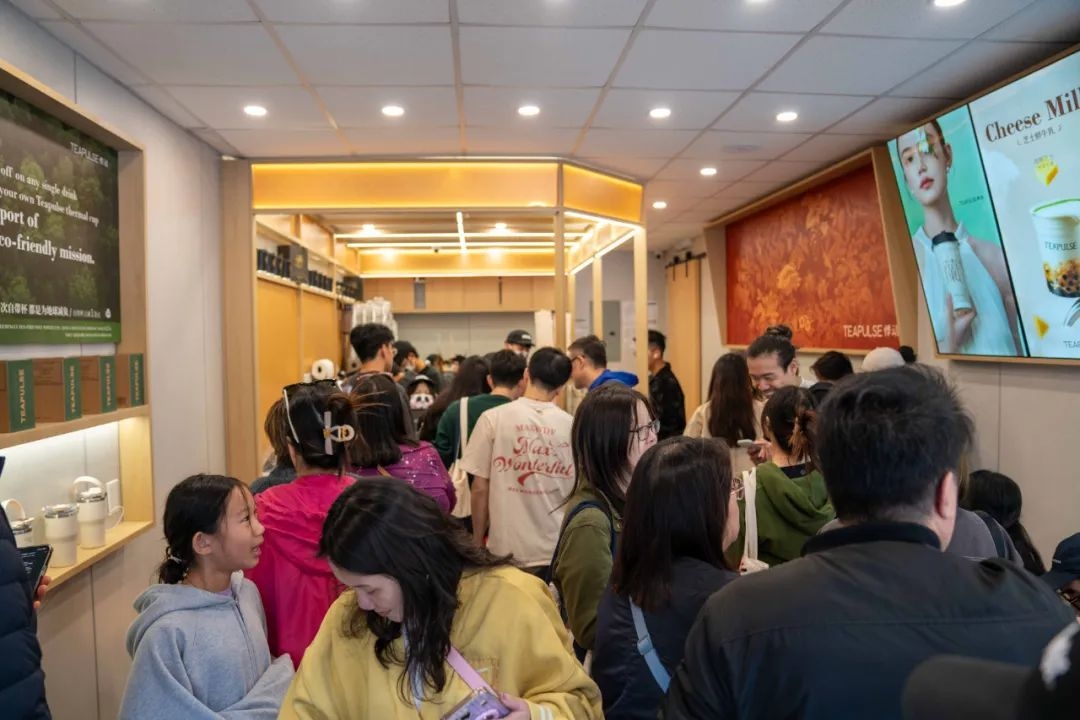
However, directly targeting the local mainstream consumer base carries inherent risks. Therefore, Jidong adopted a gradual market expansion strategy.
The first two stores were strategically located in Asian-dense areas of New York, serving as a market test. They continuously gathered feedback, accumulated operational experience, and only after receiving positive market responses did they advance into the mainstream market.
"Every new store must be a success." Among the 5 new stores Jidong plans to open next, 4 are located in Manhattan, demonstrating their determination to fully penetrate the New York market.
3、Simplify the Menu, Highlight Chinese Tea Drink Characteristics, Add Light Bakery Items
Regarding products, Jidong has also made bold innovations.
"During our preliminary research, we found significant differences between the U.S. market and the domestic market. In China, almost every category can give rise to major brands, while U.S. consumers prefer diversified consumption, seeking rich experiences," said Jidong's overseas business head.
Based on this, Jidong adopted a "beverage + light bakery" model, adding egg tarts and providing dine-in space.
The beverage line de-emphasizes the "grass jelly" tag. Compared to the extensive SKUs domestically, the menu is simplified to around 16 items, covering categories like fruit tea, light milk tea, classic milk tea, and cheese tea. Localized products account for 20% to 30% of the menu.
While retaining the characteristics of Chinese tea drinks, cup sizes and sweetness levels are adjusted according to American consumer preferences."Lemon tea accounts for 40% of beverage sales."
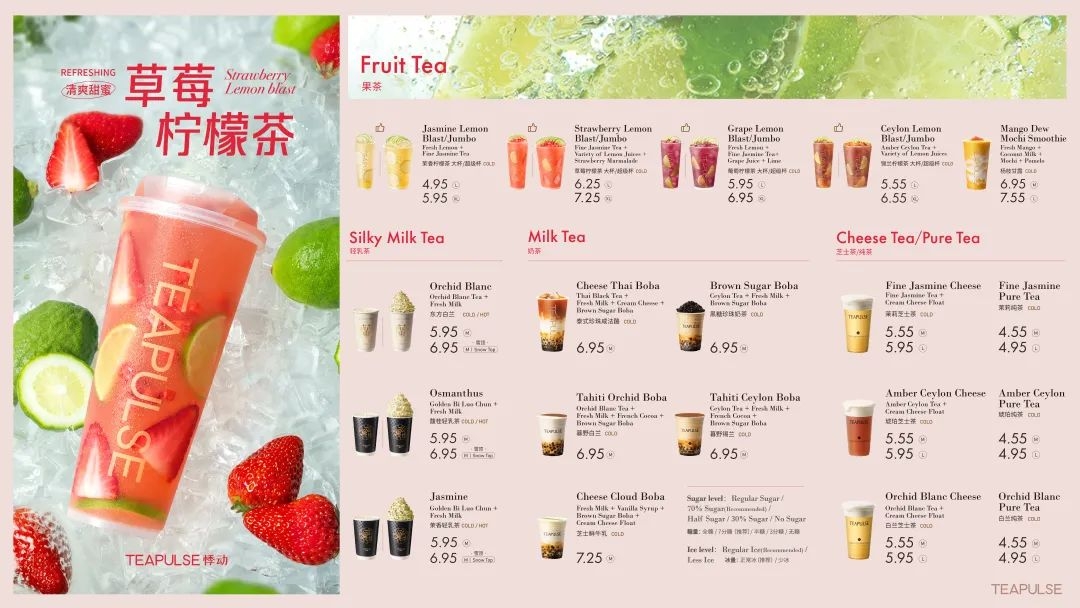
Next, Jidong plans to create specialty beverages by incorporating local elements such as toffee, caramel, and cinnamon, and will also launch bakery products like donuts that better align with local eating habits.
4、Heavily Invest in Supply Chain to Reduce Costs, Laying a Foundation for Future Development
Furthermore, Jidong proactively built its overseas supply chain.
"The cost structure in the U.S. differs from domestic; labor, logistics, warehousing, and other costs are much higher than in China. Therefore, we invested significant effort in building a local supply chain and central factory to improve overall gross margins," explained Jidong's overseas business head.
Specifically, bakery products are made in a centralized factory and distributed to stores via cold chain logistics vehicles. Automated tea drink equipment has also been introduced, allowing just 2 people to support the production line during peak hours. This not only improves store efficiency but also significantly reduces the difficulty of training new staff.
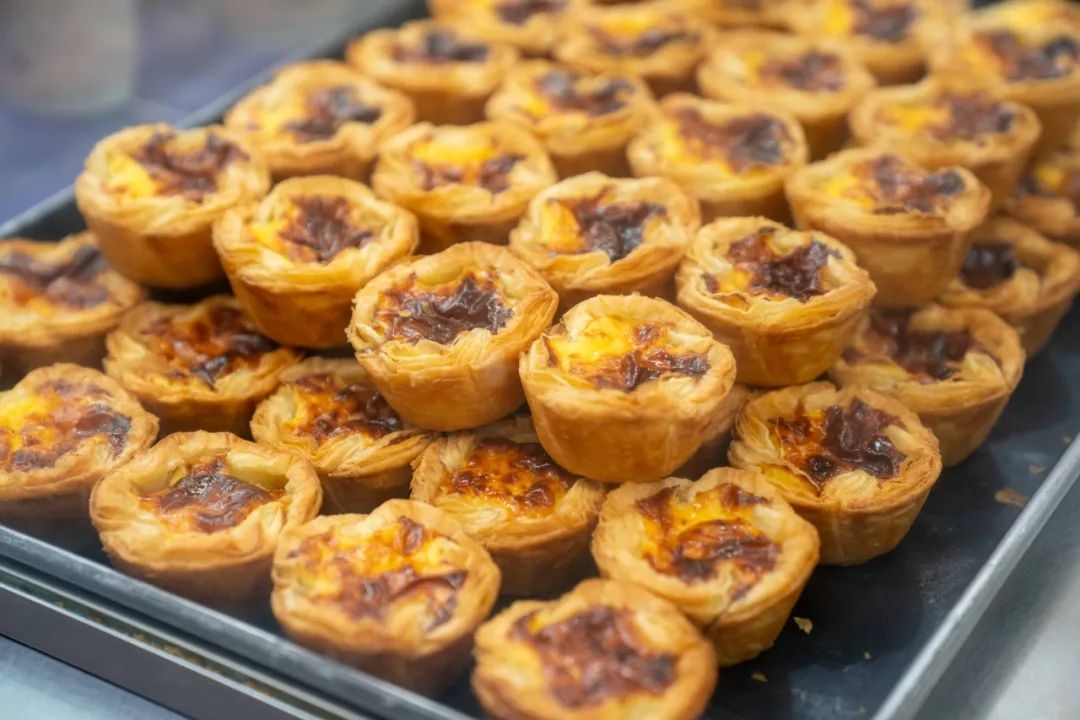
As the head stated:"The more robust the backend, the easier the frontend operations. Currently, the supply chain can support the stable operation of 50 stores in the New York area."

Going Global Is Not Simple Replication
It's Rebuilding the Business from Scratch
As early as 2016, Jidong embarked on its global expansion, opening stores in countries such as the Philippines, Laos, Japan, and the United Kingdom.
Now, the breakthrough results and valuable experience gained in the U.S. will feed back into other overseas regions, supporting robust global expansion.
There is never a shortcut for the overseas expansion of tea beverage brands. The practice of Jidong (Jidong Chabaidao) proves that doing business overseas is not simply replicating domestic products, but achieving comprehensive localization and finding a store model that fits the local market.
Set aside the successful experience from the Chinese market, and respect local consumer demands with a humble and open-minded attitude.
"Many Chinese F&B brands face challenges when going overseas, often because the decision-making team might have only visited the local market a few times and thought they understood it," admitted the head of Jidong's overseas operations. Making judgments across time zones and cultural differences easily overlooks many details, naturally increasing the risk.
Furthermore, domestic brands flocked to Southeast Asia in the past two years, intensifying competition."Although the North American market has high entry barriers, its consumption power and market potential are enormous, meaning greater growth opportunities," stated Jidong's overseas head.
Chinese tea beverages, as a carrier of Chinese tea culture, serve both as a bridge for cultural dissemination and a sustained commercial force.
It is foreseeable that as more brands like Jidong establish a solid foothold overseas, the global expansion of Chinese tea beverages is only a matter of time.